Re: GRB 080303A
I'm still waiting to hear back from some boffins on this. In the meantime here is some info for all you data fiends....
Using PinPoint LE and GSC 1.1 (Uncorrected)-
Reference stars :
GSC2 S1131321 137 RA 7:28:42.31 Dec -70:15:27.4
GSC2 S1131323 108 RA 7:27:56.14 Dec -70:13:33.0
GSC2 S2231323 103 RA 7:28:18.77 Dec -70:15:14.7
Object:
2008-03-03 13:13.50 UTC RA 7:28:17.40 Dec -70:15:15.00
2008-03-03 13:16.19 UTC RA 7:28:17.36 Dec -70:14:59.00
2008-03-08 13:16:19 UTC RA 7:28:17.36 Dec -70:14:57.20
2008-03-08 15:10.03 UTC RA 7:28:19.86 Dec -70:15:11.80
2008-03-09 13:34.00 UTC RA 7:28:17.94 Dec -70:14:43.70
2008-03-09 13:36.29 UTC RA 7:28:17.97 Dec -70:14:57.20
2008-03-09 13:38.42 UTC RA 7:28:18.80 Dec -70:14:53.70
2008-03-10 18:04.24 UTC RA 7:28:20.13 Dec -70:14:54.00
1008-03-11 16:44.48 UTC RA 7:28:26.08 Dec -70:14:59.90
+- 1 arc sec (??)
It [i]seems[/i] to be orbiting a central location very near to where the GRB occurred, the nearest star (unidentified) at RA 7:28:19.47 Dec -70:15:01.06.
I thought, in order to rule out artifacts caused by dust, that to offset the target would clear up any doubts
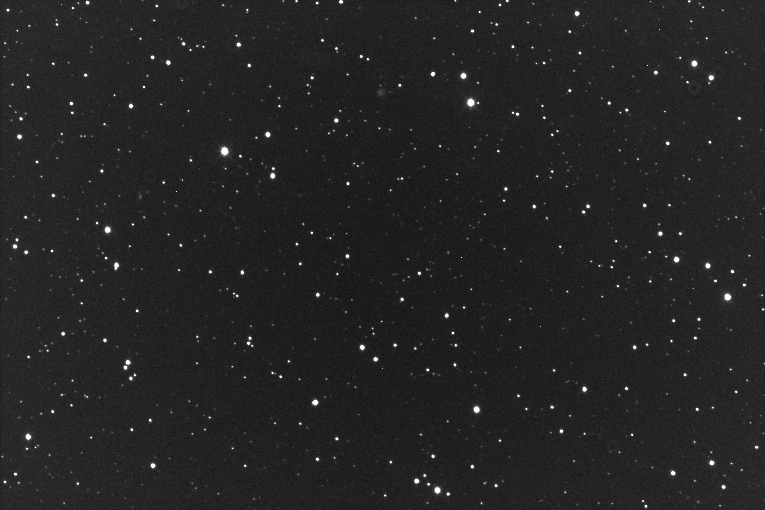
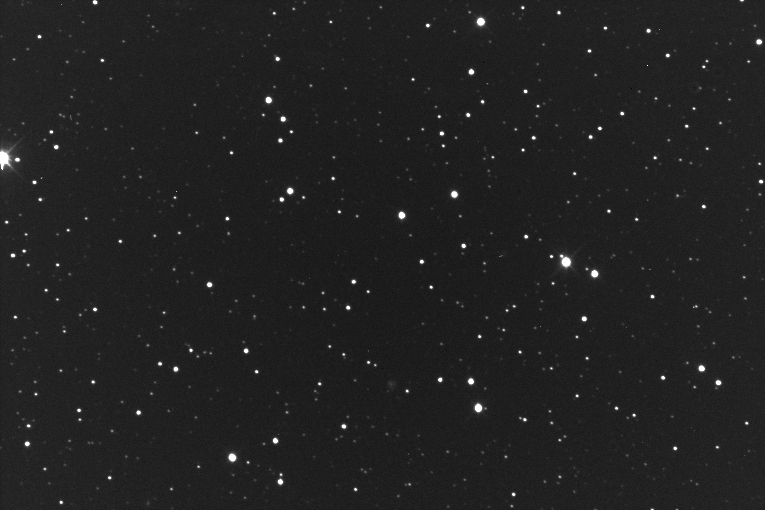
Even when realigned by about 20 arc min, the object appears in both top and bottom images. I did consider for a short while that it may have been a geostationary satellite, but surely in a 2 min exposure (and in a 3 min exposure) that it would have appeared as a streak rather than a fuzzy blob. The only other thing I can think of is that a bright star at the edge of the field could be causing some sort of internal reflection within the telescope.There is, in fact, a star in the lower image to the left (FK4668 [HIP35999]).
Final thought....If it is associated with the GRB, using the data collected, and some very rusty trigonometry, at say 3 million LY (I think the nearest GRB rcorded), it has an orbital radius of around 20,000 LY - a record, if not physical law breaker!
Perhaps one for the Fortean Times? "Amateur Astronomer spies on orbiting [s]UFO[/s] weather balloon"
Using PinPoint LE and GSC 1.1 (Uncorrected)-
Reference stars :
GSC2 S1131321 137 RA 7:28:42.31 Dec -70:15:27.4
GSC2 S1131323 108 RA 7:27:56.14 Dec -70:13:33.0
GSC2 S2231323 103 RA 7:28:18.77 Dec -70:15:14.7
Object:
2008-03-03 13:13.50 UTC RA 7:28:17.40 Dec -70:15:15.00
2008-03-03 13:16.19 UTC RA 7:28:17.36 Dec -70:14:59.00
2008-03-08 13:16:19 UTC RA 7:28:17.36 Dec -70:14:57.20
2008-03-08 15:10.03 UTC RA 7:28:19.86 Dec -70:15:11.80
2008-03-09 13:34.00 UTC RA 7:28:17.94 Dec -70:14:43.70
2008-03-09 13:36.29 UTC RA 7:28:17.97 Dec -70:14:57.20
2008-03-09 13:38.42 UTC RA 7:28:18.80 Dec -70:14:53.70
2008-03-10 18:04.24 UTC RA 7:28:20.13 Dec -70:14:54.00
1008-03-11 16:44.48 UTC RA 7:28:26.08 Dec -70:14:59.90
+- 1 arc sec (??)
It [i]seems[/i] to be orbiting a central location very near to where the GRB occurred, the nearest star (unidentified) at RA 7:28:19.47 Dec -70:15:01.06.
I thought, in order to rule out artifacts caused by dust, that to offset the target would clear up any doubts
2008-03-03T13-13-50 UTC
2008-03-08T15-04-31 UTC
Even when realigned by about 20 arc min, the object appears in both top and bottom images. I did consider for a short while that it may have been a geostationary satellite, but surely in a 2 min exposure (and in a 3 min exposure) that it would have appeared as a streak rather than a fuzzy blob. The only other thing I can think of is that a bright star at the edge of the field could be causing some sort of internal reflection within the telescope.There is, in fact, a star in the lower image to the left (FK4668 [HIP35999]).
Final thought....If it is associated with the GRB, using the data collected, and some very rusty trigonometry, at say 3 million LY (I think the nearest GRB rcorded), it has an orbital radius of around 20,000 LY - a record, if not physical law breaker!
Perhaps one for the Fortean Times? "Amateur Astronomer spies on orbiting [s]UFO[/s] weather balloon"