3i Atlas
3I/ATLAS — a quick look
These images show 3I/ATLAS imaged on 2026-01-21 05:33–06:21 UTC (02:33–03:21 local, Chile) using iTelescope T72 at Deep Sky Chile (MPC X07).PlaneWave L-500, 3411 mm f/6.8FLI ML16200, LRGB (10 x Luminance 120s BIN1, 5 each R,G,B 60s BIN2)Frames aligned on the comet, not the stars
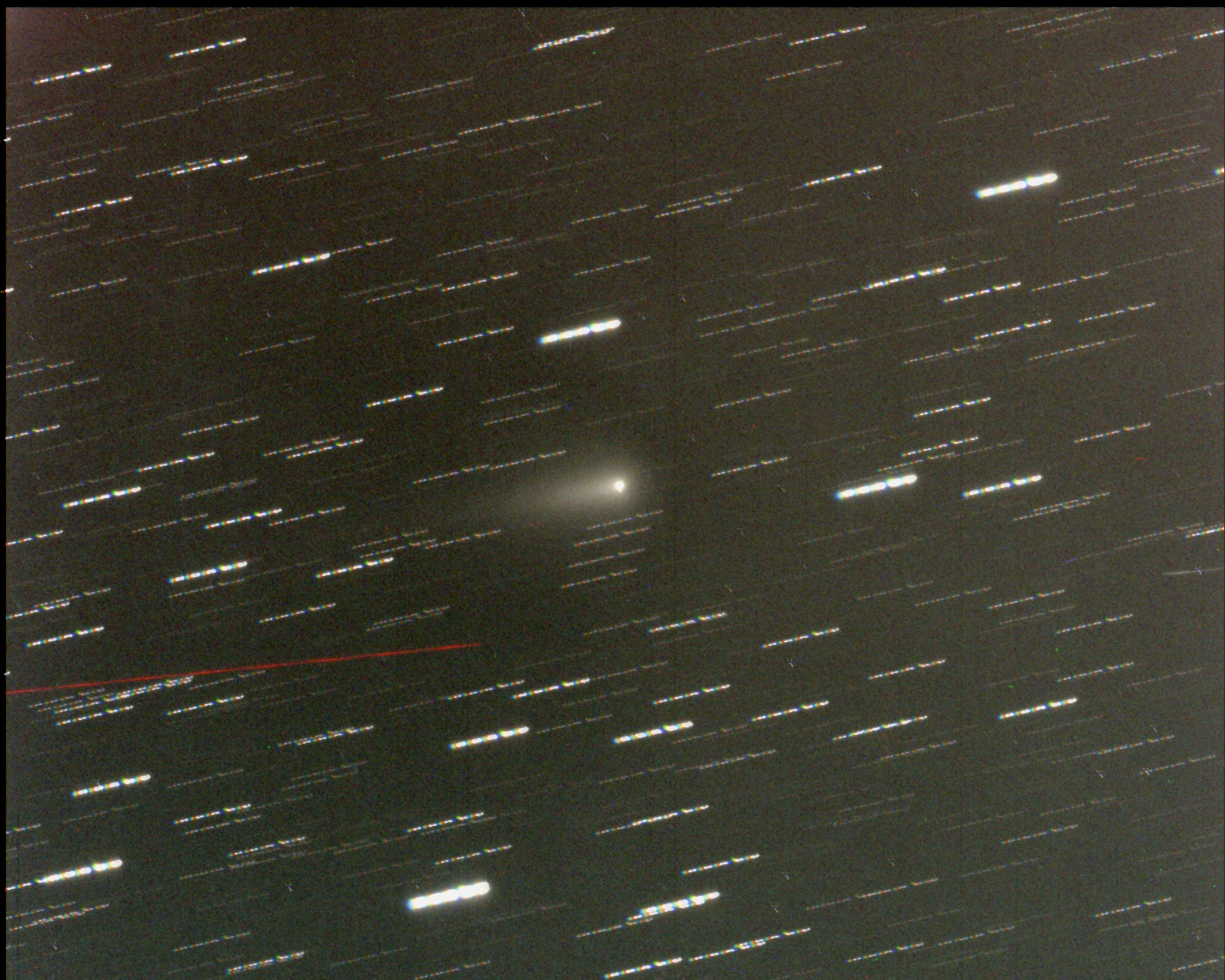
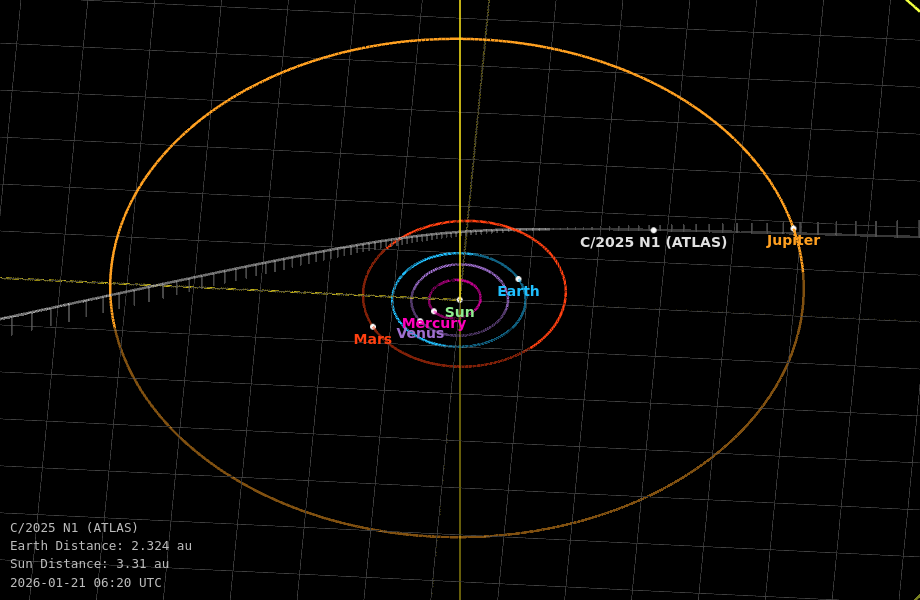
The star trails are deliberate — the comet is the reference frame here. The animation makes the non-sidereal motion obvious, and the stacked frames leave the nucleus nicely fixed while everything else slides past.Despite a lot of commentary elsewhere about ion tails and anti-tails, at this epoch the geometry really matters. The Earth–comet–Sun alignment means the ion tail and anti-tail are close to the line of sight, so neither presents as a dramatic feature in the image plane. That’s not a failure of processing — it’s simply projection.
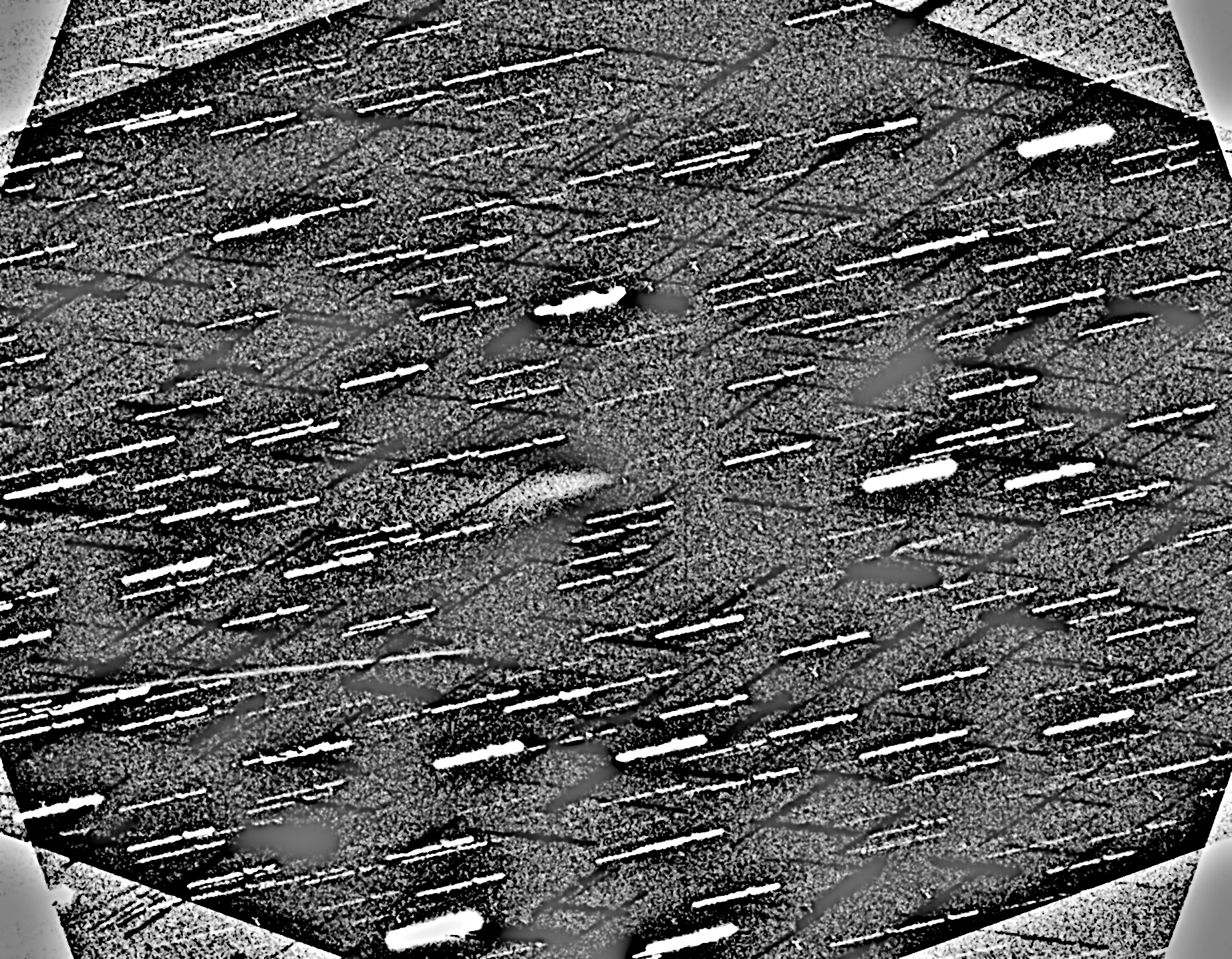
What is visible is a short dust tail trailing the comet, which is exactly what you’d expect when dust dominates and the more spectacular tail components are foreshortened or effectively hidden.I’ve included a greyscale Larson–Sekanina enhancement, mainly to suppress the smooth coma and check for any obvious asymmetry close to the nucleus. It confirms structure, but doesn’t conjure a missing anti-tail — again, geometry wins.
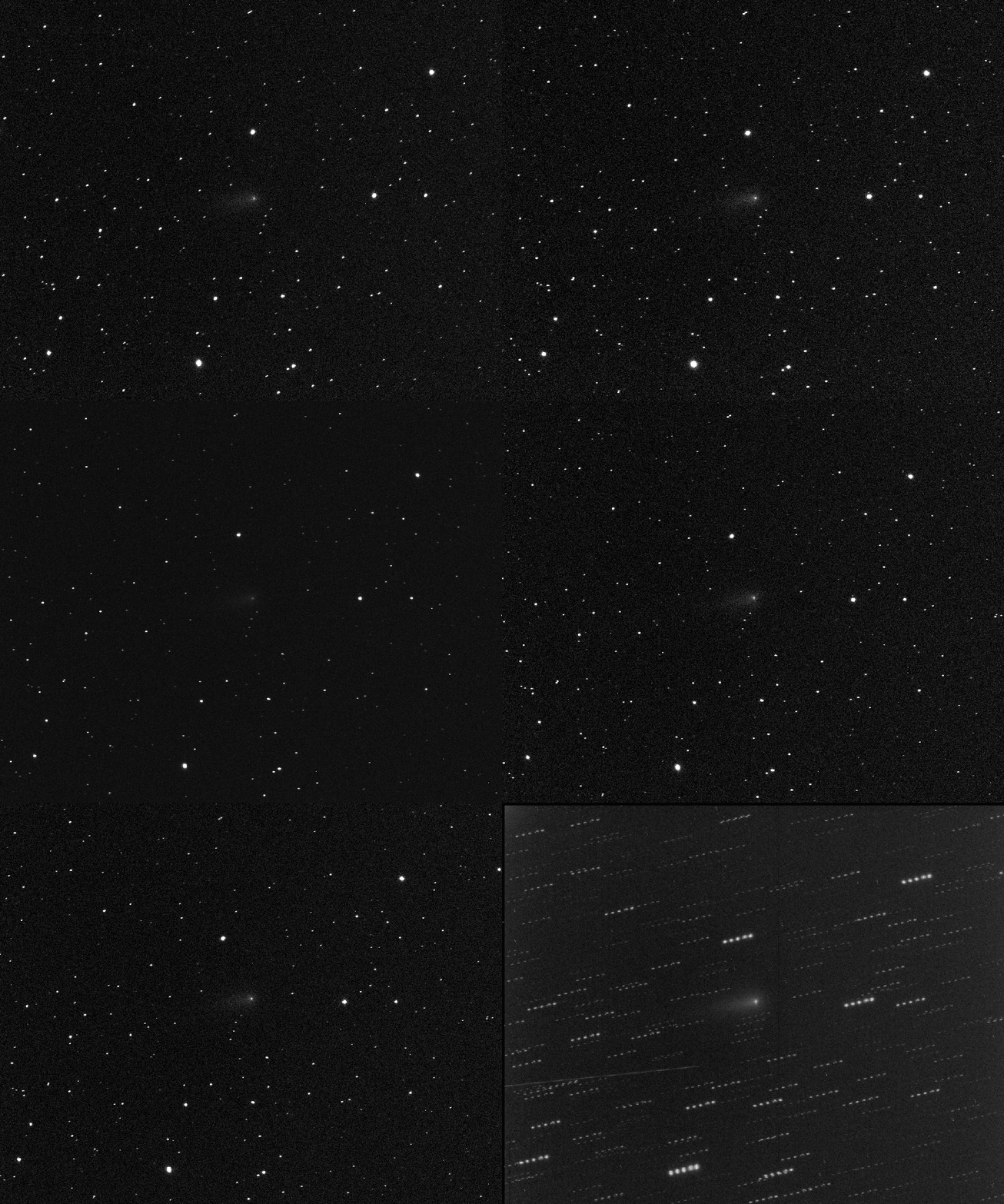
Between the stills and the animation, the takeaway is fairly straightforward:
3I/ATLAS looks like a comet, moves like a comet, and at this viewing angle behaves exactly as expected.Sometimes the most interesting result is that nothing odd is required to explain what you’re seeing.